Table of Contents
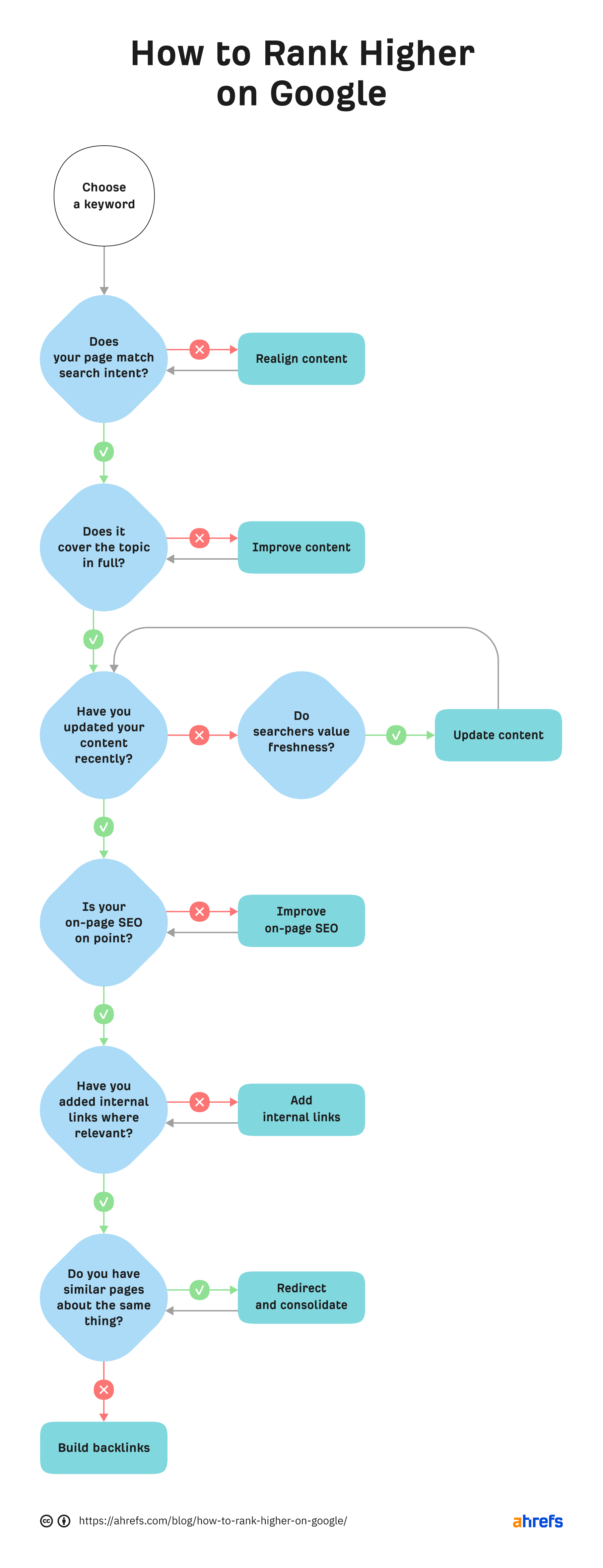
If on the other hand you're trying to rate your login page for "instance brand login", that is fine. Google isn't going to place pages solely based on key phrase thickness.
If you can make the best content after that all you can do is wish that Google concurs.
I ranked my very first item of content # 1 on Google with no search engine optimization understanding. No costly devices. No technical lingo. Simply a simple system any person can follow. Below's the precise process I usedand just how you can reproduce it starting today. Most SEO guides appear like this: "Maximize your meta descriptions, build top notch backlinks, boost your domain name authority, fix your data ..." Mumbo jumbo that makes you wish to stop before you begin.
Ideal Content Length For Ranking Without High Da
Google's # 1 task is to satisfy the searcher. If your content does that much better than everyone else's, you'll rank.
Whatever else is simply optimization around the edges. Set up messages to 9 platforms in simply one minute No SEO tools (couldn't afford them) New internet site (no authority) No backlinks (didn't even know what they were) No "domain name expertise" according to Google Ranked # 1 for "social media sites scheduling devices contrast" (2,400 regular monthly searches) 847 visitors in the very first month 23 email signups from that single blog post Absolutely no dollars spent on ads I quit trying to game Google and started concentrating on the viewers.
Beginning with real concerns from actual people. r/entrepreneur, r/smallbusiness Look your subject + filter by "most complied with" Industry-specific communities On rival video clips What troubles do products solve? Persisting questions Arguments and concerns What individuals ask you Type your topic + "just how" On Google search results Try to find questions that appear 10+ times in different places.
Ideal Content Length For Ranking Without High Da
I saw "What's the ideal social media scheduler?" asked 47 times throughout Reddit, Quora, and Facebook teams in one week. That became my target subject. Do not reinvent the wheel. Google already told you what worksit's position on web page one. What are they missing out on? What could be more clear? What examples would certainly aid? Where did they skim details? What concerns didn't they address? Your content needs to be than what's presently ranking.
So concentrate on the people. First 100 words: State their problem + assure a solutionBad: "In this post, we'll discover ..."Excellent: "You're wasting 10 hours/week on social networks. Here's exactly how to cut that to 1 hour." No lingo. Brief sentences. Straightforward words. Poor: "Utilize synergistic options ..."Excellent: "Use devices that interact ..." Tell them precisely what to do nextBad: "Think about executing ..."Good: "Step 1: Click 'Settings'.
Engaging heading (make them click) 2. Trouble declaration (program you recognize) 3. Quick win (offer value quickly) 4. Detailed overview (major web content) 5. Usual blunders (prevent failing) 6. Actual instances (prove it functions) 7. Following actions (keep them involved) Arrange messages to 9 platforms in simply one minute This is the secret sauce.
Ideal Content Length For Ranking Without High Da
It's the actual reason a person browsed for that term. Intent TypeWhat They WantContent FormatInformationalLearn just how to do somethingHow-to overviews, tutorials, explanationsNavigationalFind a particular website/pageHomepage, login page, certain toolCommercialCompare options before buyingComparisons, evaluations, "finest of" listsTransactionalBuy something appropriate nowProduct pages, valuing web pages, signup kinds All listicles? They want contrasts All how-tos? They want step-by-step guides All item pages? They prepare to purchase (do not battle it) I composed an in-depth tutorial on "finest Instagram scheduler." Really did not rate.
Look for keywords where smaller websites rank. Google rates comprehensive web content greater. Beat the typical word count of leading 3 outcomes by 30%+.
Google measures "Core Internet Vitals" (just how excellent your website feels to utilize). 65% of searches happen on phones. Link to 2-3 associated blog posts on your site.
Posting a blog post and never ever touching it once again. Google favors recently updated web content. Review your top articles every 3-6 months: Update data and examples Add brand-new sections Revitalize the publish day Advertise it again on social media sites Set a reminder to upgrade your best articles quarterly. Writing for Google's robots rather than human viewers.
Ideal Content Length For Ranking Without High Da
Discover the essentials initially (this guide gives you 90% of what you need). Employ a specialist when you're making cash and wish to range quicker. Begin with lower-competition key words. Target specific, long-tail expressions. It'll take longer than established sites, yet it works. My first rated blog post got on a 2-month-old website.
Pick a schedule you can keep (regular, bi-weekly, monthly) and stay with it. You have the system. Now carry out: Select ONE question your audience is asking Google it and examine the top 3 results Outline exactly how you'll make yours 10x far better Compose your web content using the H.E.L.P. structure Run through the pre-publish list Publish and share Display your rankings in Google Look Console Update the blog post based on what you learn Begin your second item of content Ranking on Google isn't around gaming the system.
Arrange articles to 9 platforms in just 60 seconds SEO isn't magic. It's simply understanding what people want and providing it to them far better than anybody else.
Ideal Content Length For Ranking Without High Da
Browsing the intricacies of Google's search formulas is essential to placing on the first page of Google. The search engine uses a mix of algorithms and many ranking elements to identify the significance and authority of website. Keyword phrases and search intent play a critical duty in this process. By recognizing the particular terms customers look for and the intent behind their searches, you can customize your material to meet these demands, enhancing your opportunities of rating higher.
Purpose to choose key words that have a high search quantity however low competitors. This balance boosts your chances of placing greater in the search results page web pages. For instance, rather than a highly affordable keyword like "bakery," target a lot more specific ones like "artisan pastry shop in Brooklyn" or "natural sourdough bread." Integrate your target key words right into the meta summary, title, headings and primary web content of each page.
Most significantly, you need to focus on producing. The better you can create fresh and new material, the less complicated it is to obtain backlinks, which equates into more website traffic and possibly better search positions. Both high quality and quantity matter in content. Utilizing makes certain SEO-friendly web content generation, consisting of write-ups, article, web pages, or even item descriptions for on-line shops.

Navigation
Latest Posts
Ideal Content Length For Ranking Without High Da
Ideal Content Length For Ranking Without High Da
Ideal Content Length For Ranking Without High Da